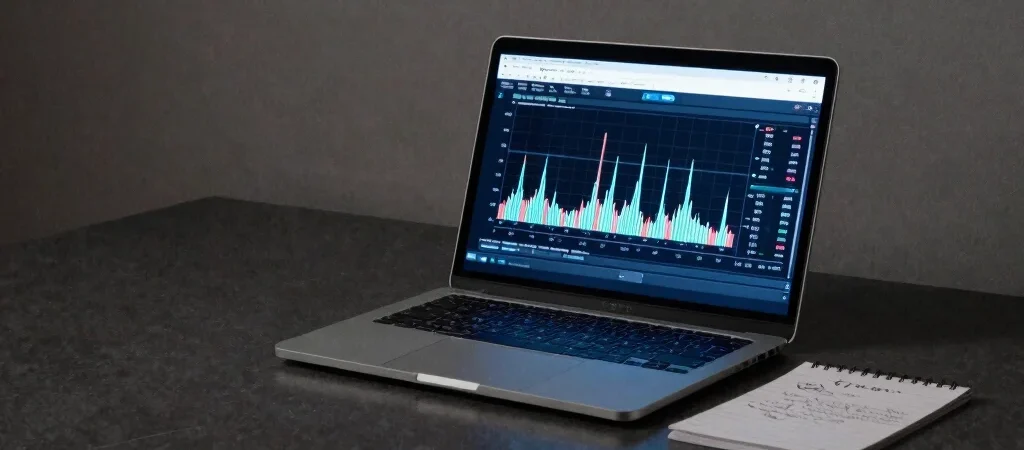
A token jumps overnight, and the first question is usually how far it moved. A better one is what changed around it: trading activity, the venues involved, or a piece of news that might explain the timing. Price is a signal, not the whole story.
Start With the Market Itself
Check whether the move appears across several established trading venues or is concentrated on one. A thinly traded market can swing sharply when relatively few orders are available, so a dramatic percentage change may say more about liquidity than broad investor conviction.
Trading volume adds context, but it does not settle the question by itself. Compare it with the asset’s usual activity and look at whether the move held or quickly reversed; a brief burst and a sustained repricing are different events.
Separate News From Interpretation
Look for a verifiable catalyst: a published filing, a protocol announcement, a confirmed exchange notice, or a clearly dated economic release. Then distinguish that fact from the explanation market commentators attach to it. The explanation may be plausible without being proven.
Timing matters, too. A headline that appears after a move began may explain the attention around it, not necessarily the cause. When the evidence is unclear, saying so is more useful than forcing a neat narrative.
Check the Wider Conditions
Crypto markets do not operate in isolation. Interest-rate expectations, broader risk appetite, and movements in other digital assets can shape the backdrop, while derivatives activity may add short-term pressure that is not obvious from a spot-price chart.
Before drawing a conclusion, write down what is confirmed, what is a reasonable interpretation, and what remains unknown. That small distinction turns a price alert into a more useful read of what changed—and why it might matter.